
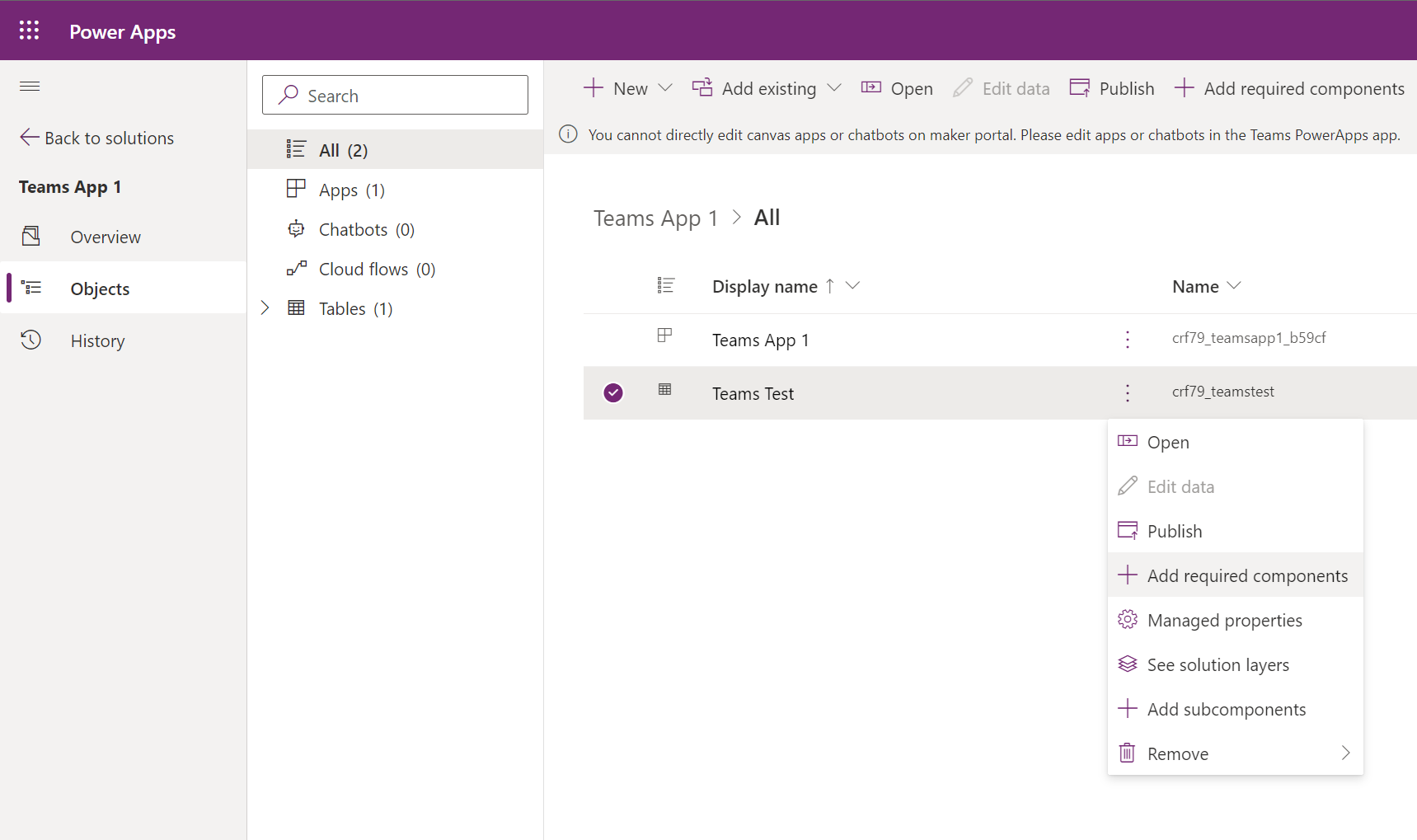
Working with solutions in Dataverse for Teams
Solutions are hidden behind the scenes when building Power Apps in a Teams environment. While you can use them, there are some gotchas to be aware of.
Read the post →Solutions are hidden behind the scenes when building Power Apps in a Teams environment. While you can use them, there are some gotchas to be aware of.
Read the post →
How does the new 2022 wave 1 feature for Model-driven Power Apps pefrorm when compared to the classic Advanced Find tool from the XRM era?
Read the post →
The customer lookup column in Dataverse has special behaviors that you need to know when configuring fields for Model-driven Power Apps form.
Read the post →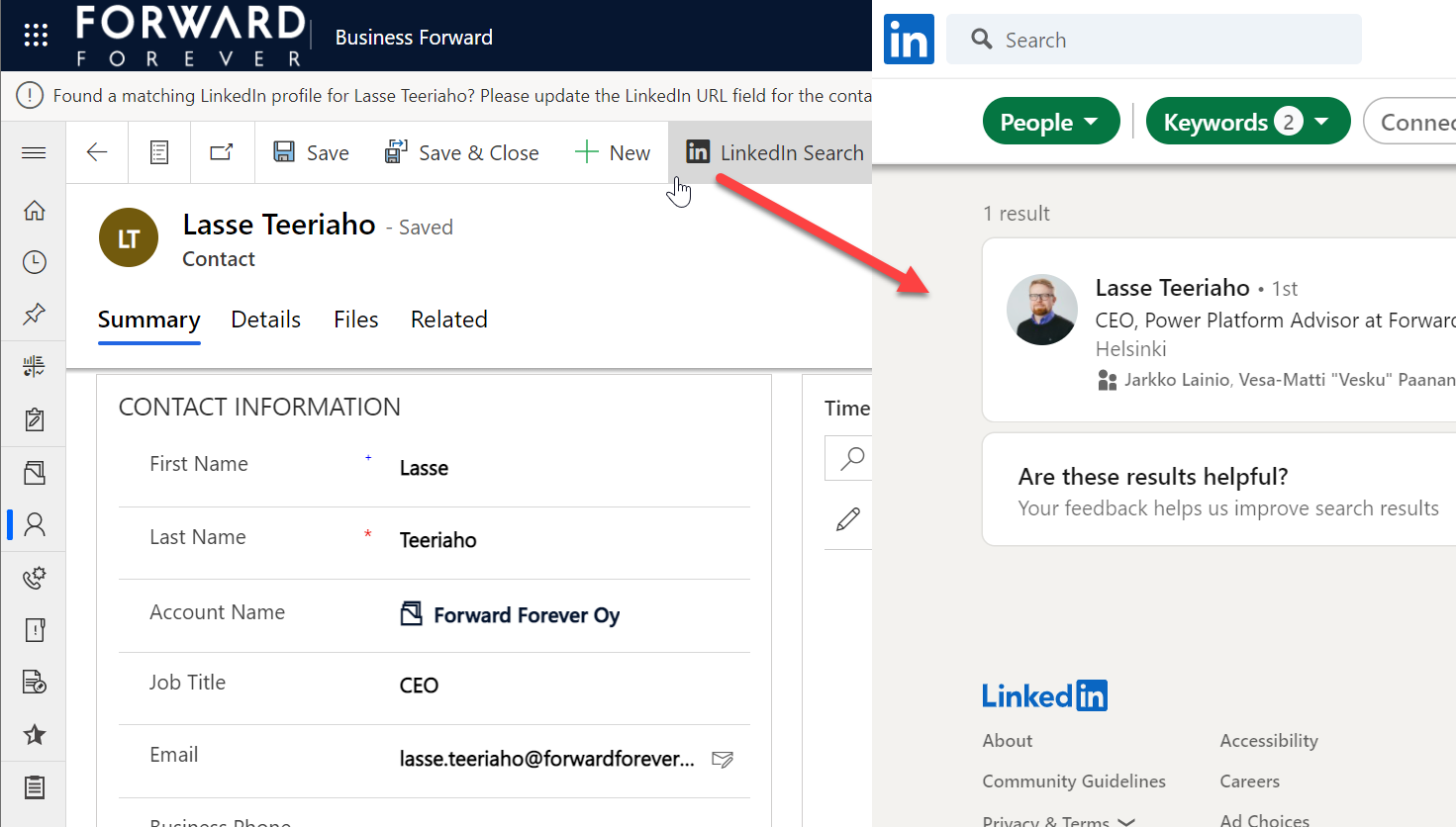
Adding a low-code button for the contact form in Power Apps Model-driven app to search for a matching LinkedIn profile.
Read the post →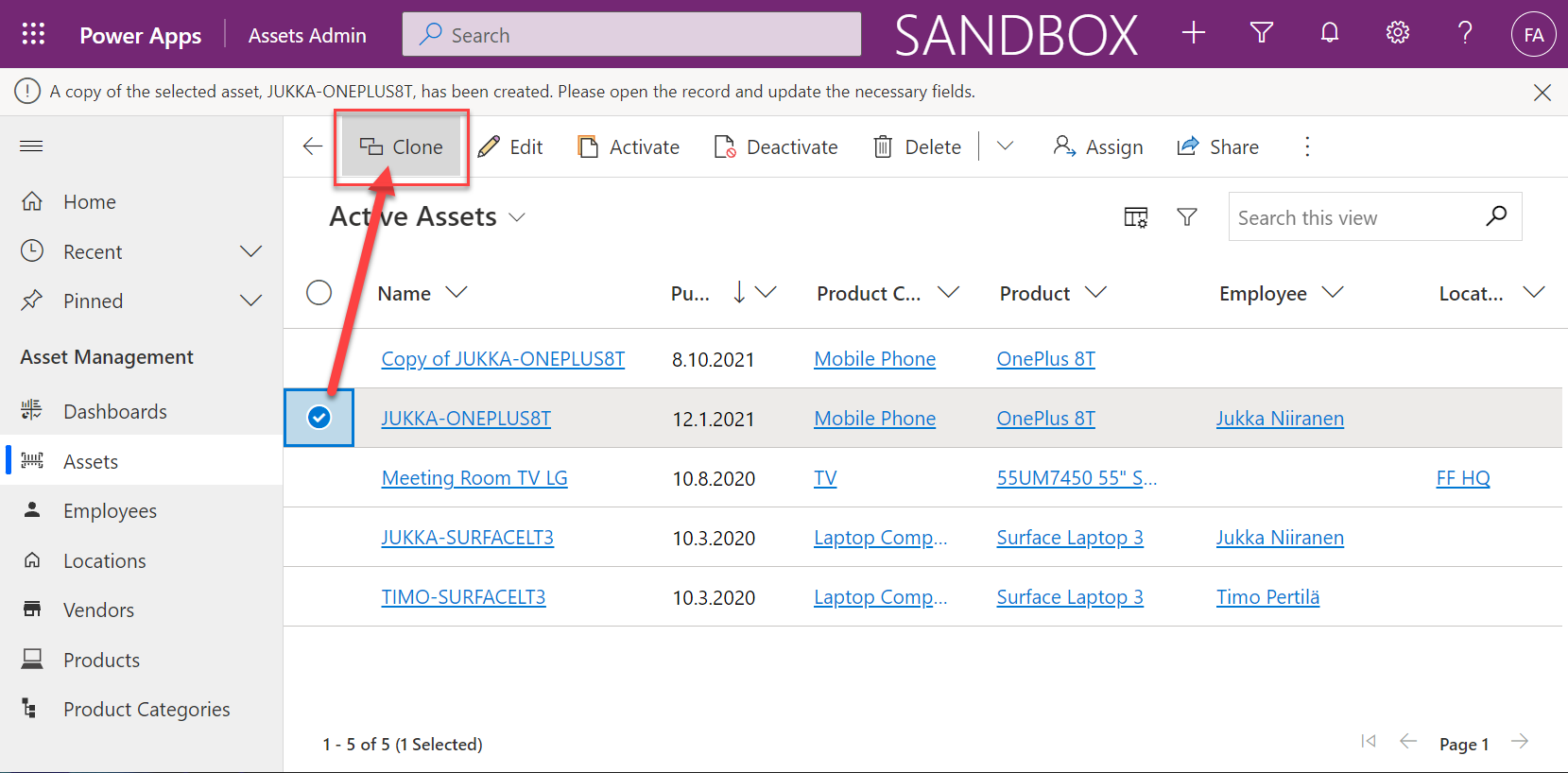
How to copy an existing record in Model-driven Power Apps, along with its child records, using the modern command designer & Power Fx formula.
Read the post →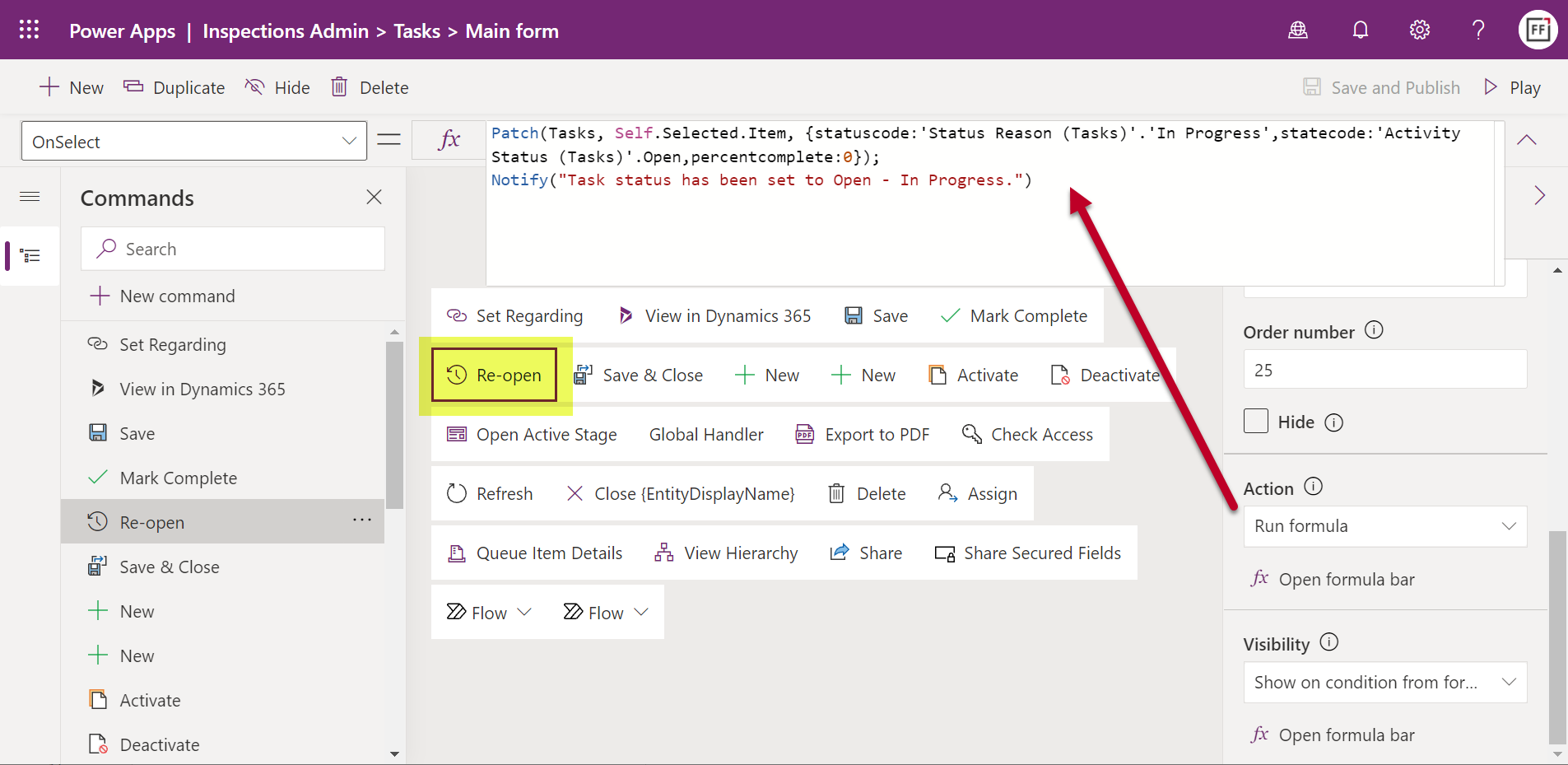
Using the command designer in Model-driven Power Apps to add new buttons for activity tables, to perform common status change actions. Exploring how the modern commanding features and Power FX formulas can be used in scenarios that previously required Ribbon Workbench and JavaScript.
Read the post →
How to bring external data from SQL Server tables into your Model-driven Power Apps with the new Virtual Connector Provider. This blog posts demonstrates how you can transparently combine the virtual & physical data onto a single screen for the users to work on.
Read the post →
Splitting data into multiple tables for security purposes and still providing a nice UX to work with business records on a single form. You can achieve both goals with Dataverse and Model-driven Power Apps!
Read the post →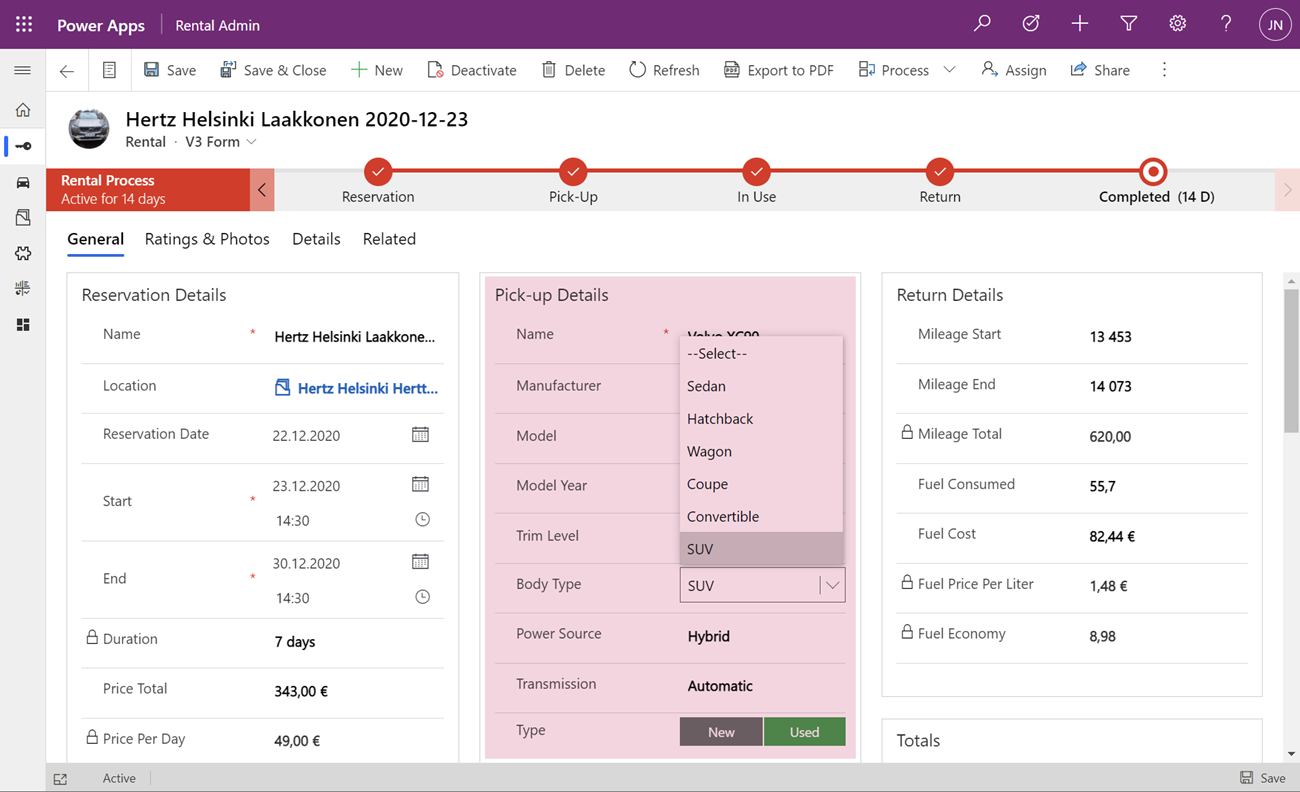
How to make fields from a related table editable on a Power Apps Model-driven app form with the new “forms within forms” PCF control. This second part shows how to go beyond Quick View Forms and create a seamless data entry experience.
Read the post →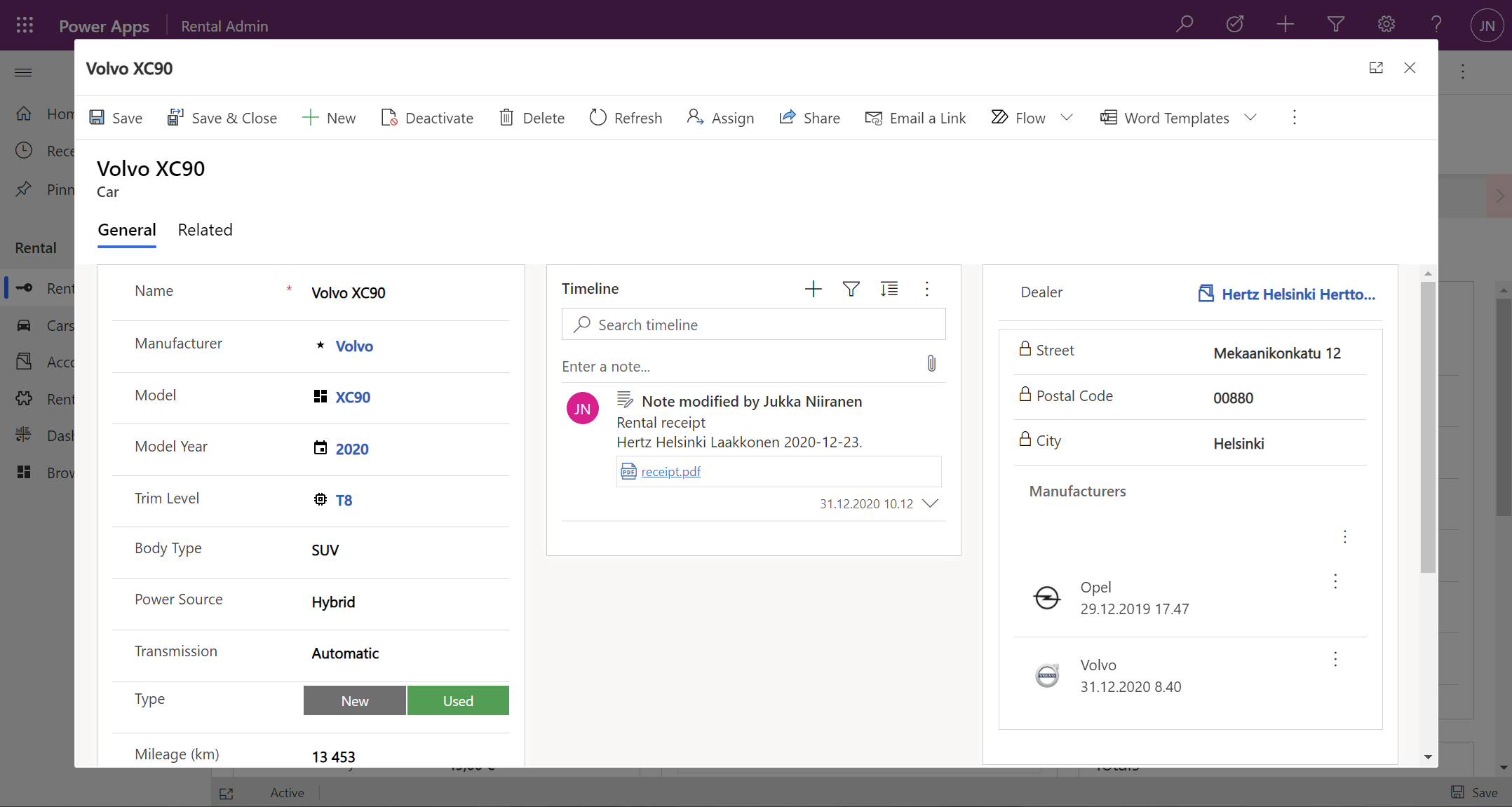
How to improve the user experience of Power Apps forms that reference data from multiple related tables in Microsoft Dataverse. In the first part we’ll explore the use of Quick View Forms together with Main Form Dialogs.
Read the post →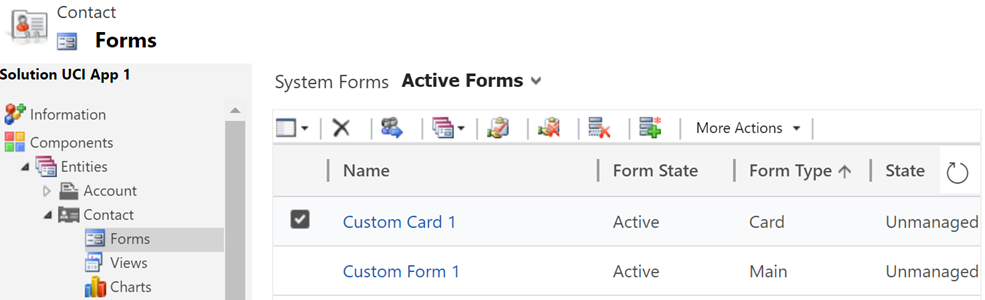
Since the beginning of time, meaning early days of MS CRM, we’ve grown accustomed to the fact that record fields in Dynamics 365 Customer Engagement can be presented either via entity forms or entity views. The entity form shows the editable fields of a single record, whereas the entity view gives us a list of […]
Read the post →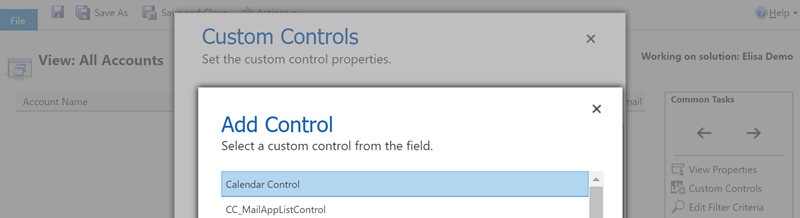
The new Unified Interface that launched in v9.0 of Microsoft Dynamics 365 Customer Engagement gave us all the possibility to try out the next generation CRM user experience in new trial orgs or sandboxes. While the CDU process for upgrading existing customer environments to V9 has not yet been made available by Microsoft (which gives […]
Read the post →