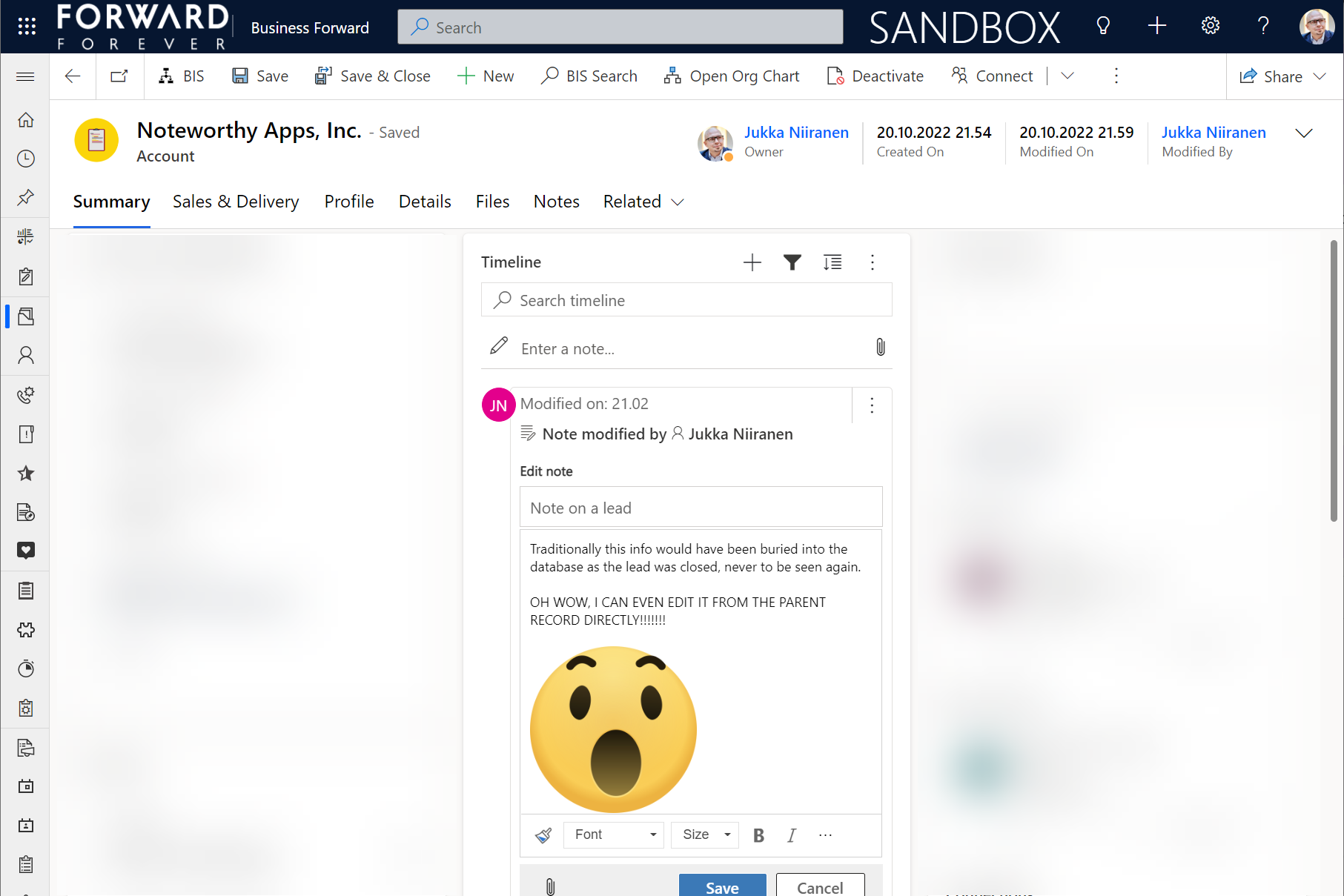
Notes rollup, multiple Timelines per form, customizable actions, modal dialogs for detail forms – there’s so many settings to optimize with this control in 2022 Release Wave 2.
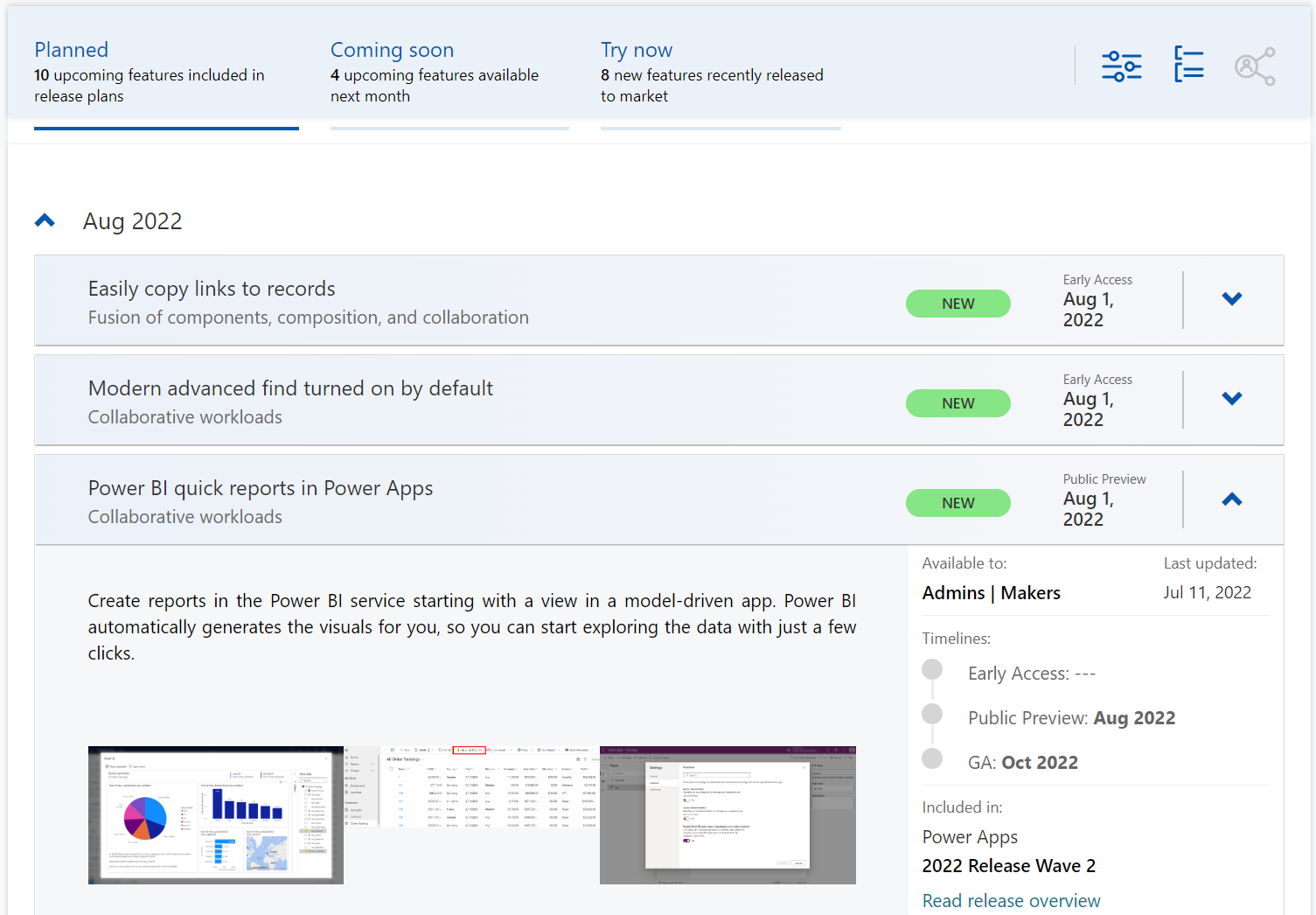
Read the post →Release waves don’t tell the full story of what’s planned for Power Platform & Dynamics 365. The new Release Planner site provides a better roadmap view on the items currently being developed, rolling out or recently released.
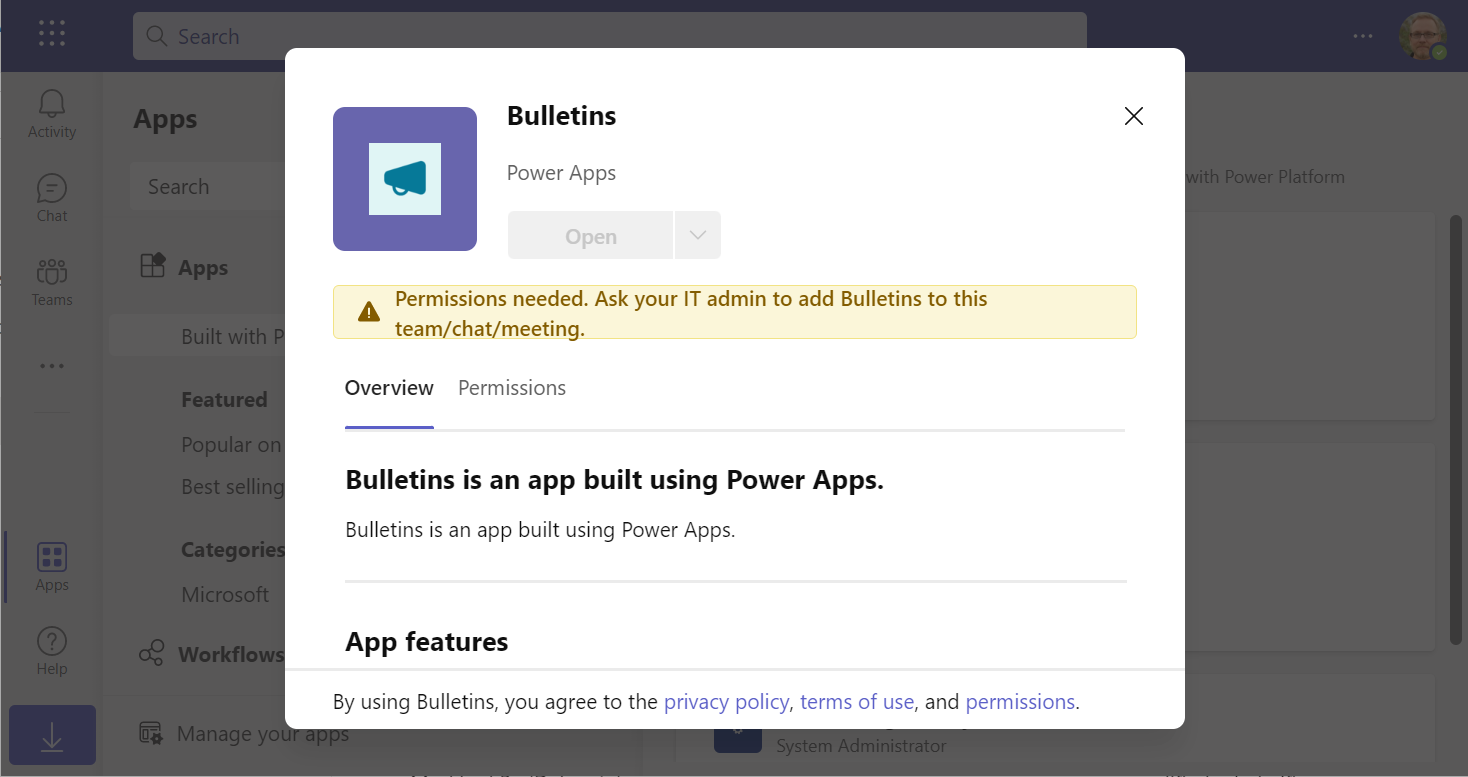
Read the post →Using the “share with colleagues” feature to publish Teams based Power Apps into more than one team can be a bit tricky. Here are the steps needed to use your app outside the hosting Dataverse for Teams environment.
Read the post →When you restore the backup of a Dataverse environment into a new environment, it won’t remain forever in its original state. As a result, storage consumption can creep up on you.
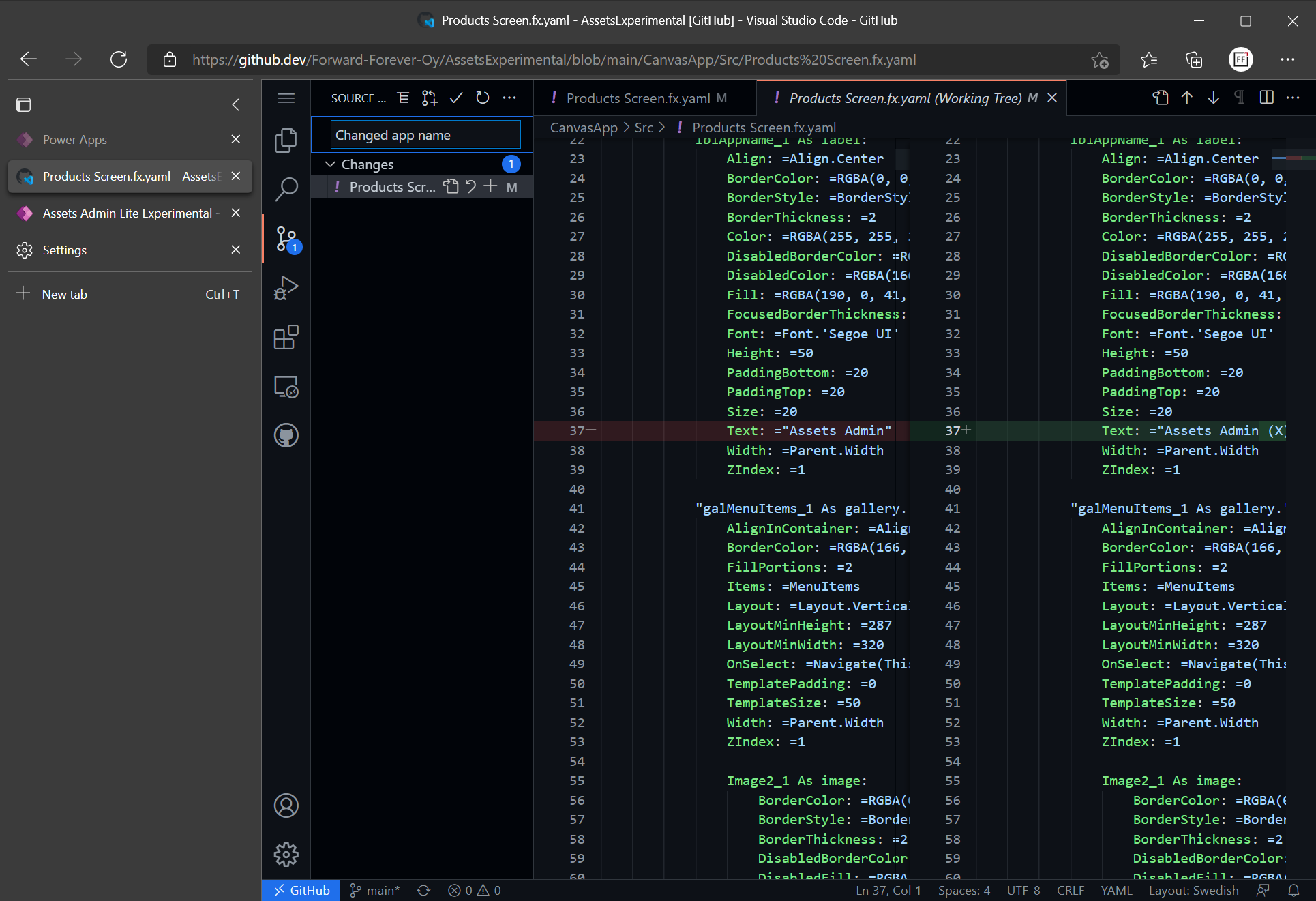
Read the post →You don’t even need to install Visual Studio Code and set up Git repository sync locally to access Power Apps source code, thanks to github.dev.
Read the post →The customer lookup column in Dataverse has special behaviors that you need to know when configuring fields for Model-driven Power Apps form.
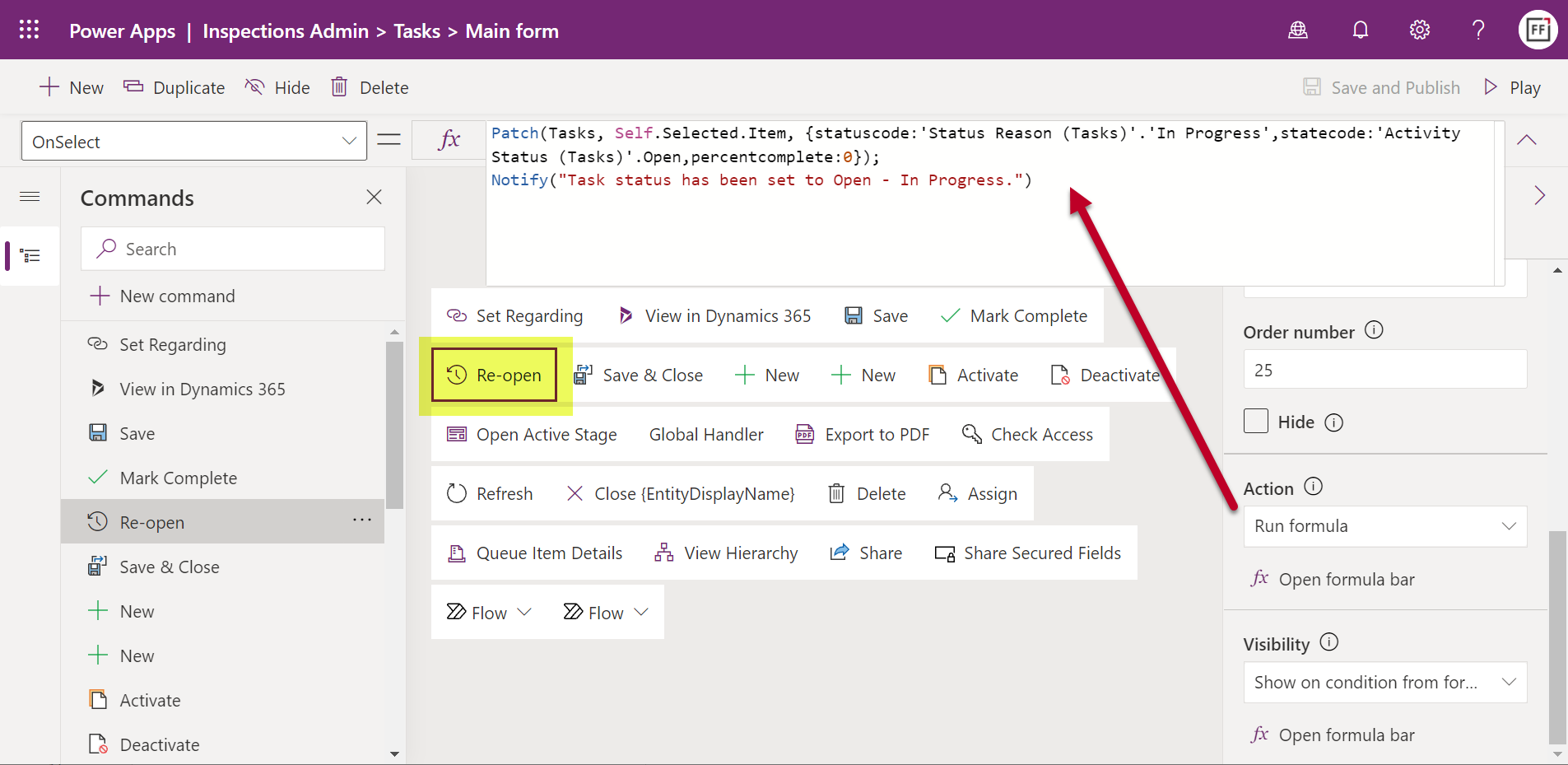
Read the post →Using the command designer in Model-driven Power Apps to add new buttons for activity tables, to perform common status change actions. Exploring how the modern commanding features and Power FX formulas can be used in scenarios that previously required Ribbon Workbench and JavaScript.
Read the post →Managing end user access to Model-driven apps isn’t as straightforward as with Canvas apps. Here’s how the list of Power Apps actually works and what the “share” feature does & doesn’t do for Model-driven app.
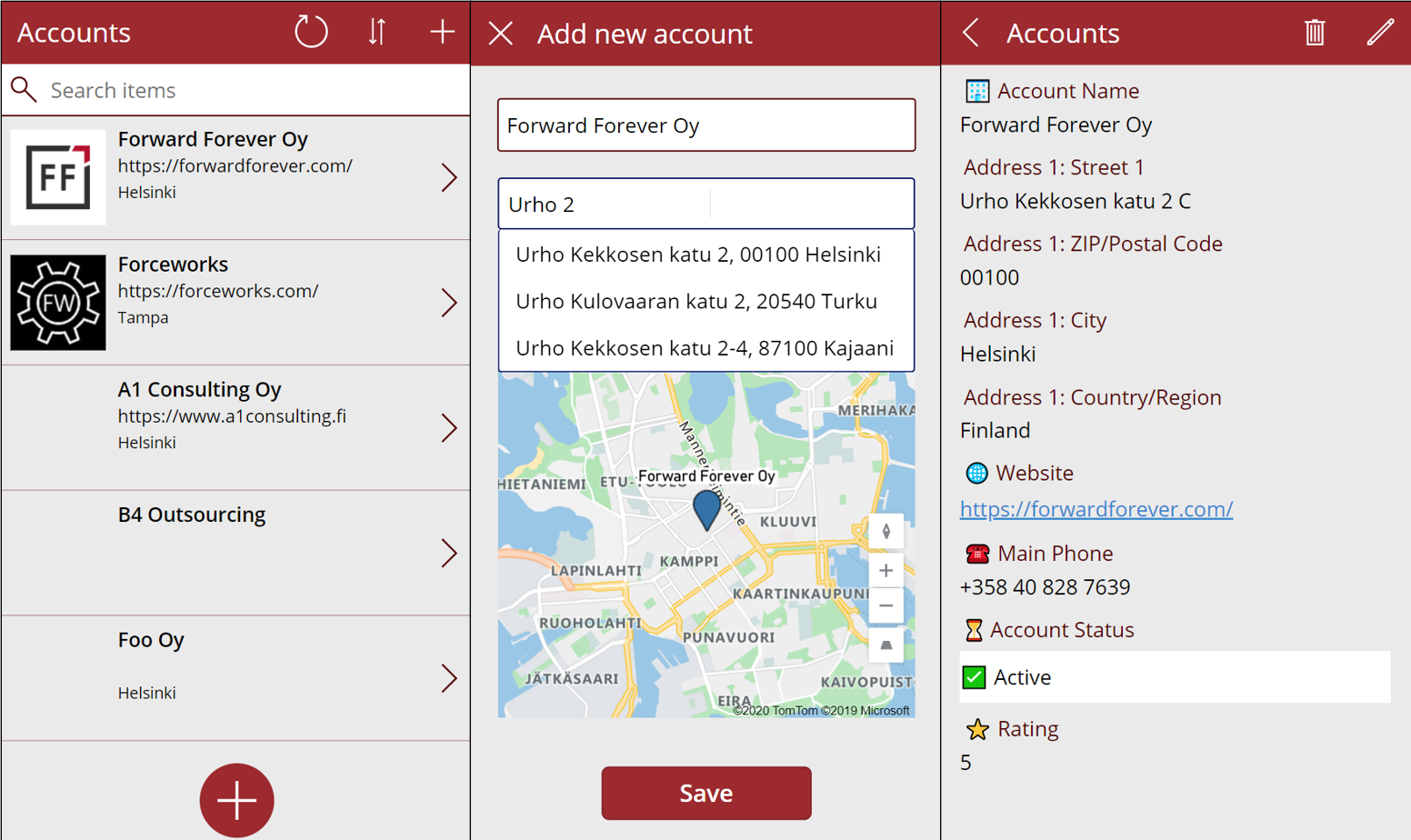
Read the post →Using the new geospatial controls in Canvas apps to combine Azure Maps features with customer address data from Dataverse.
Read the post →5 tips for improving the search results that your Model-driven Power Apps or Dynamics 365 apps provide via the Relevance Search feature.
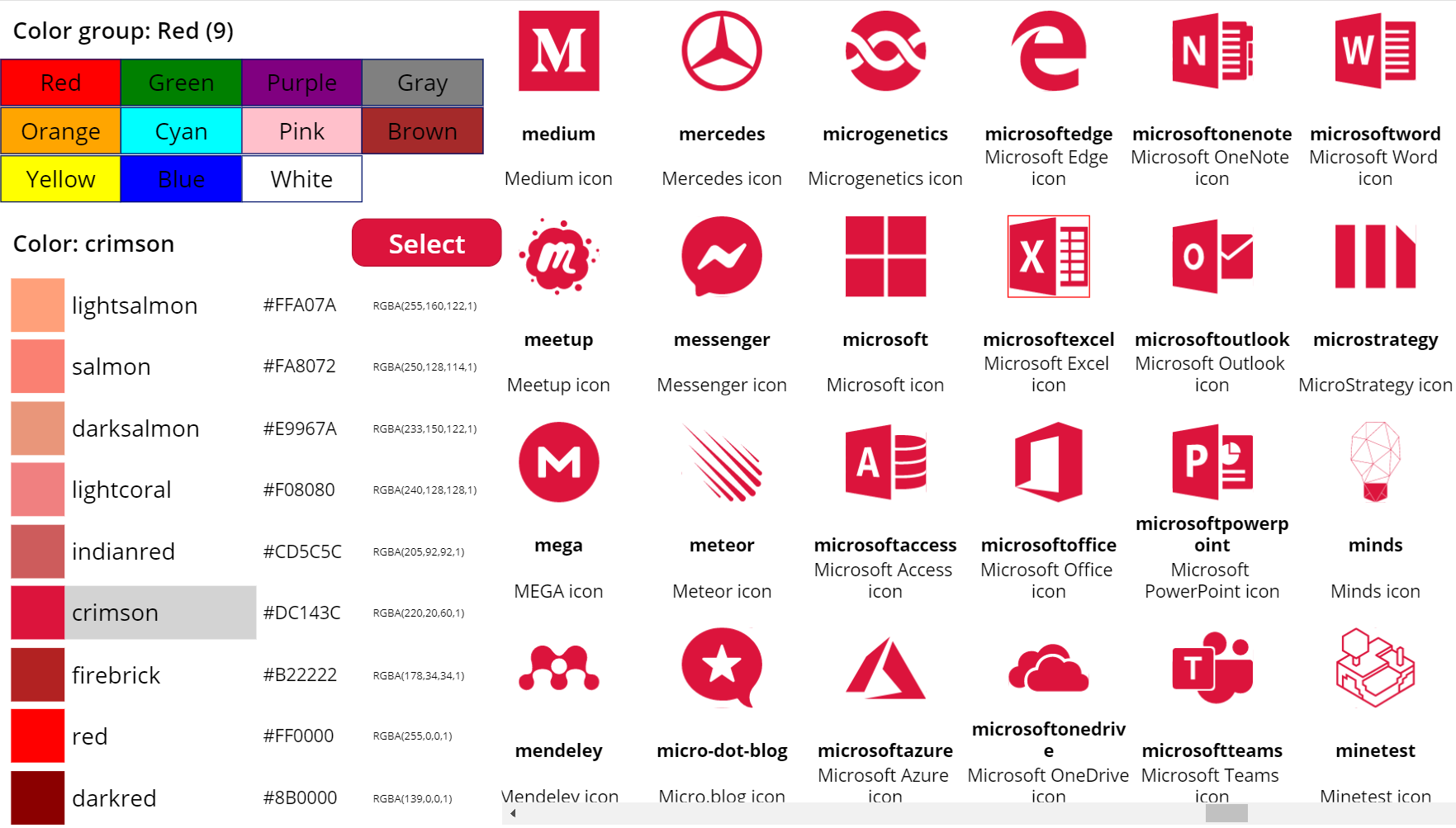
Read the post →In addition to standard color picker options, Power Apps also supports CSS color names to define the appearance of text and icons. To make these color names work in conjunction with our custom SVG icon library from the previous blog post, let’s also build a custom color picker for grouping and visualizing the available colors inside Canvas apps.
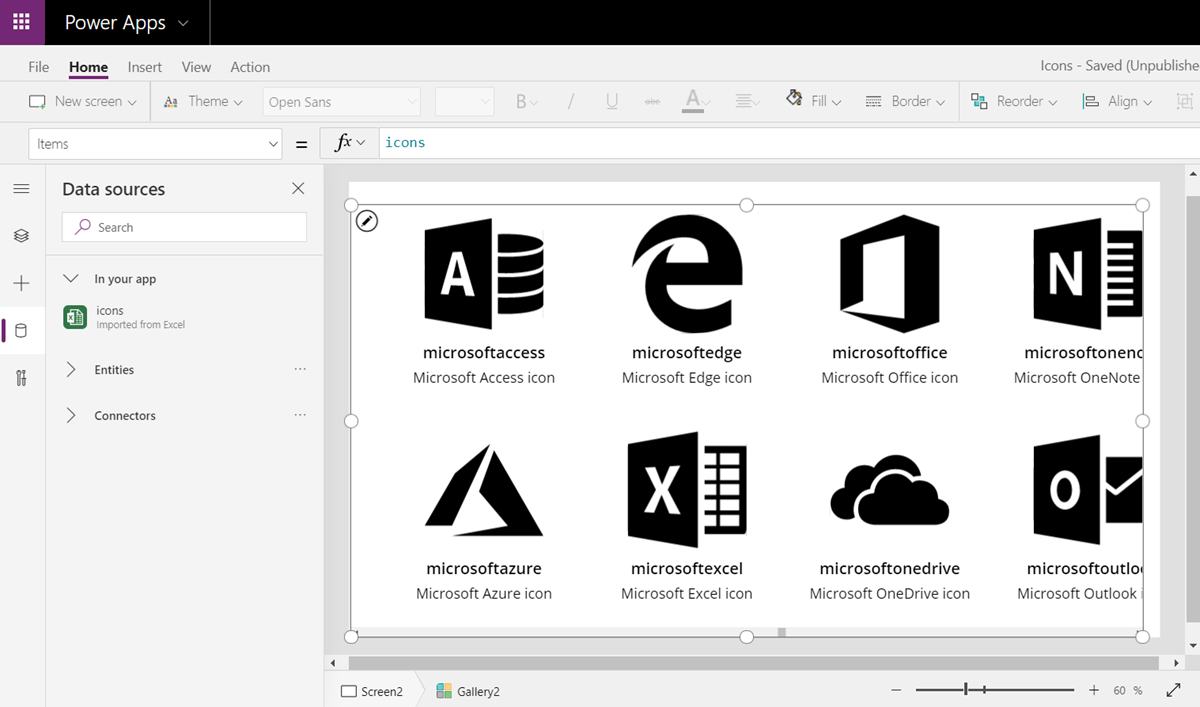
Read the post →To create high quality visualizations for apps that can both scale to high resolutions as well as be dynamically manipulated via formulas, Scalable Vector Graphics (SVG) would be a great choice for Canvas Apps. While there is no native support for SVG features in Power Apps, you can bring in their XML definition and work with it to create a gallery to browse a complete library of icons imported from open source repositories like GitHub.
Read the post →